
How Smart Thermostats Can Slash Your Energy Bills and Maximize Home Comfort
December 28, 2025
December 28, 2025
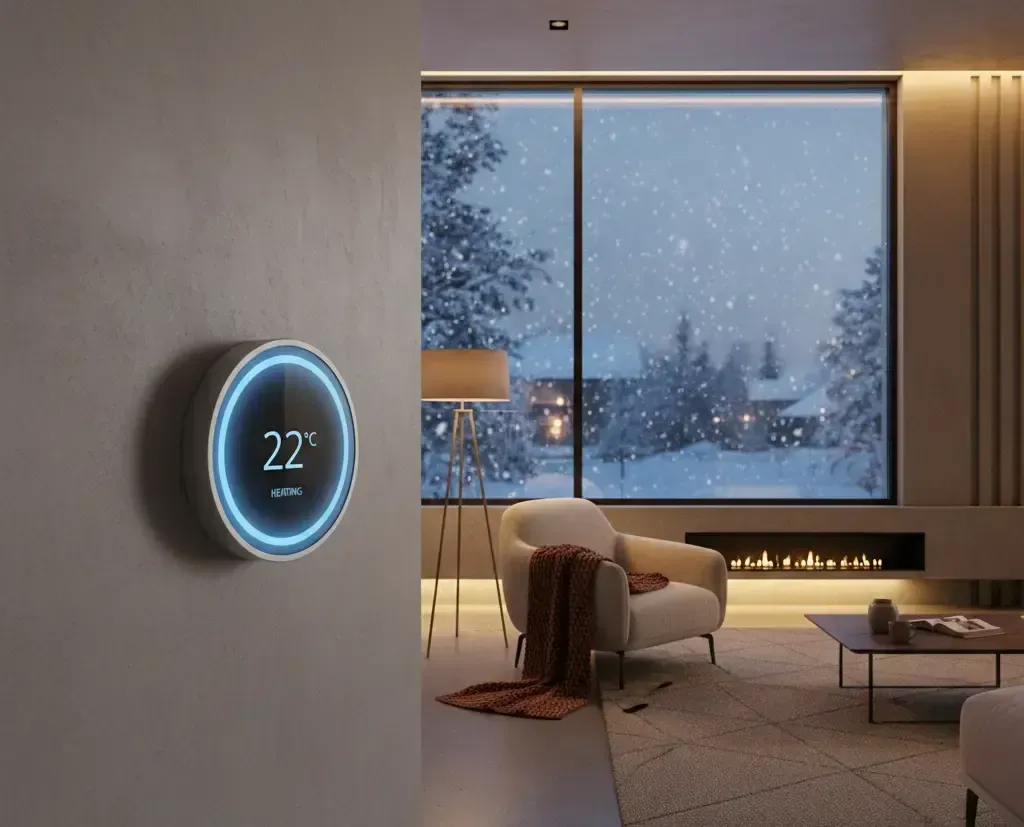
Tired of staring at sky-high utility bills each month? You crank up the heat in winter or blast the AC in summer, only to watch costs climb. Then you forget to adjust it when you head out, wasting energy on an empty house. Smart thermostats fix this mess. These devices learn your habits and tweak settings on their own. They promise real cuts in energy use—often 10-15% on heating and cooling—while keeping your home cozy without the hassle.
Understanding the Core Savings Mechanism: How Smart Thermostats Reduce Consumption
Smart thermostats cut energy bills by working smarter, not harder. They track patterns and adjust automatically. This leads to less waste and more savings over time.
Learning thermostats, like the Nest model, watch how you live. They note when you leave for work or come home late. Over days, they build a schedule that fits your routine.
No more manual tweaks every day. The device sets the perfect temperature before you arrive. It avoids running the system full blast when no one needs it.
Studies show these features save up to 10-15% on heating and cooling costs. One report from the U.S. Department of Energy backs this up. Users see lower bills without losing comfort.
Geofencing uses your phone's location to know when the house sits empty. As you drive away, the thermostat shifts to an energy-saving mode. It ramps up just as you near home.
This stops the system from heating or cooling for ghosts. You save energy during those long days out. Plus, the app lets you check and change settings from anywhere.
Imagine adjusting the temp from your desk at work. No more coming home to a chilly space in December. It's simple tech that pays off quick.
Smart thermostats send monthly reports on your energy use. They break down spikes from cold snaps or times you overrode the auto settings. You see exactly where money goes.
This info helps you spot habits to fix. Maybe you leave lights on, or the system runs too long at night. Adjust based on facts, and bills drop more. One user might learn their old routine wasted 20% extra power. With reports, they tweak it. Over a year, that adds up to hundreds saved.
Learning Algorithms and Personalized Scheduling
Learning thermostats, like the Nest model, watch how you live. They note when you leave for work or come home late. Over days, they build a schedule that fits your routine.
No more manual tweaks every day. The device sets the perfect temperature before you arrive. It avoids running the system full blast when no one needs it.
Studies show these features save up to 10-15% on heating and cooling costs. One report from the U.S. Department of Energy backs this up. Users see lower bills without losing comfort.
Remote Access and Geofencing Technology
Geofencing uses your phone's location to know when the house sits empty. As you drive away, the thermostat shifts to an energy-saving mode. It ramps up just as you near home.
This stops the system from heating or cooling for ghosts. You save energy during those long days out. Plus, the app lets you check and change settings from anywhere.
Imagine adjusting the temp from your desk at work. No more coming home to a chilly space in December. It's simple tech that pays off quick.
Energy Usage Reports and Accountability
Smart thermostats send monthly reports on your energy use. They break down spikes from cold snaps or times you overrode the auto settings. You see exactly where money goes.
This info helps you spot habits to fix. Maybe you leave lights on, or the system runs too long at night. Adjust based on facts, and bills drop more. One user might learn their old routine wasted 20% extra power. With reports, they tweak it. Over a year, that adds up to hundreds saved.
Check Your Eligibility for Rebates
See how much you could save with federal and local utility incentives right now.
Beyond Temperature Control: Enhancing Comfort Through Connectivity
Smart thermostats do more than save cash. They link with your home setup for better feel all around. Comfort comes easy with these connections.
These devices talk straight to your heating, ventilation, and air conditioning unit. They optimize run times instead of simple on-off cycles. This matches your high-efficiency system perfectly.
Check your HVAC's SEER rating first—higher means better pairing. Two-stage furnaces work best with smart controls. They run at low speed when possible, saving energy.
Result? Even temps without big jumps. Your home stays steady, no hot or cold spots. It's like having a pro tune your system daily.
Advanced models use extra sensors in rooms to track occupancy. They cool or heat only where people are. No more wasting power on the guest room.
Place satellite sensors in key spots like the living room or bedroom. The main unit pulls data to balance zones. This evens out comfort across the house.
For big homes, this cuts uneven wear on the system. You avoid overworking pipes or ducts. Savings hit 15% or more in multi-room setups.
Tell your thermostat what to do with voice commands. Link it to Amazon Alexa or Google Assistant. Say "Set to 72 degrees," and it happens.
This fits into broader smart home gear. Lights, locks, and shades all sync up. Adjust temp as blinds close for the night. Hands-free means less effort. Grab a snack without fumbling for the app. In 2025's busy life, this boosts daily ease.
Seamless Integration with HVAC Systems
These devices talk straight to your heating, ventilation, and air conditioning unit. They optimize run times instead of simple on-off cycles. This matches your high-efficiency system perfectly.
Check your HVAC's SEER rating first—higher means better pairing. Two-stage furnaces work best with smart controls. They run at low speed when possible, saving energy.
Result? Even temps without big jumps. Your home stays steady, no hot or cold spots. It's like having a pro tune your system daily.
Zone Control and Occupancy Sensors
Advanced models use extra sensors in rooms to track occupancy. They cool or heat only where people are. No more wasting power on the guest room.
Place satellite sensors in key spots like the living room or bedroom. The main unit pulls data to balance zones. This evens out comfort across the house.
For big homes, this cuts uneven wear on the system. You avoid overworking pipes or ducts. Savings hit 15% or more in multi-room setups.
- Sensor in kitchen detects no one cooking.
- It dials back heat there.
- Main areas stay warm for you.
Voice Control and Smart Home Ecosystem Integration
Tell your thermostat what to do with voice commands. Link it to Amazon Alexa or Google Assistant. Say "Set to 72 degrees," and it happens.
This fits into broader smart home gear. Lights, locks, and shades all sync up. Adjust temp as blinds close for the night. Hands-free means less effort. Grab a snack without fumbling for the app. In 2025's busy life, this boosts daily ease.
Installation, Setup, and Maximizing Your Return on Investment (ROI)
Getting a smart thermostat set up right unlocks its full power. Start with basic checks. Then tweak for max savings.
Most homes need a C-wire for steady power to the smart features. This common wire keeps the device online without batteries. Check your old thermostat's wiring—look for the labeled C terminal.
If missing, add one or use a power adapter kit. Many models include these. Test your HVAC too; it should handle variable speeds.
Hire a pro if unsure . A quick install costs $100-200 but avoids headaches. Done right, it lasts years.
Look for deals to offset the buy-in cost, around $200-300. Federal tax credits cover up to 30% for energy-efficient upgrades. Check IRS site for 2025 rules.
Local utilities often give rebates—$50 to $150 per device. Search your provider's site or Energy Star database. Programs reward smart thermostat installs.
Apply early in the year. One family got $100 back plus a credit. It dropped their net cost way down.
Set the away mode to drop 7-10 degrees from your norm. This saves without shocking you on return. Let the learning run a week before big changes.
Avoid constant overrides; they mess with the algorithm. Pick steady preferences, like 68 degrees at night. Use eco mode for longer absences.
Test in winter—December chills test the system. Track the first bill to see gains. Fine-tune from there for best ROI.
Compatibility Checks: Wiring and System Requirements
Most homes need a C-wire for steady power to the smart features. This common wire keeps the device online without batteries. Check your old thermostat's wiring—look for the labeled C terminal.
If missing, add one or use a power adapter kit. Many models include these. Test your HVAC too; it should handle variable speeds.
Hire a pro if unsure . A quick install costs $100-200 but avoids headaches. Done right, it lasts years.
Rebates, Tax Credits, and Utility Incentives
Look for deals to offset the buy-in cost, around $200-300. Federal tax credits cover up to 30% for energy-efficient upgrades. Check IRS site for 2025 rules.
Local utilities often give rebates—$50 to $150 per device. Search your provider's site or Energy Star database. Programs reward smart thermostat installs.
Apply early in the year. One family got $100 back plus a credit. It dropped their net cost way down.
Setting Up Energy-Saving Modes Correctly
Set the away mode to drop 7-10 degrees from your norm. This saves without shocking you on return. Let the learning run a week before big changes.
Avoid constant overrides; they mess with the algorithm. Pick steady preferences, like 68 degrees at night. Use eco mode for longer absences.
Test in winter—December chills test the system. Track the first bill to see gains. Fine-tune from there for best ROI.
Common Misconceptions and Troubleshooting Smart Thermostat Efficiency
People misunderstand how these devices work. Clear up myths to get real results. Fix issues fast for steady savings.
You think tweaking the temp often saves more? Wrong. It confuses the learning software and wastes power.
The system needs time to adapt—give it two weeks. Once set, it predicts better than you. Patience brings the 10-15% savings.
One homeowner fiddled daily and saw no drop in bills. They stopped, and costs fell 12%. Trust the tech.
A smart thermostat shines in a tight home. But poor insulation limits gains—like a guard on a leaky boat. Fix air leaks and add attic insulation first.
Seal windows and doors to hold in conditioned air. This boosts the device's work by 20-30%. Without it, savings cap at half.
Think of it as teamwork. Thermostat controls flow; envelope keeps it in. Both needed for top comfort and low bills.
Wi-Fi drops kill remote features. Restart your router and thermostat. Move it closer to the signal if needed.
Sensor errors show wrong temps—recalibrate via the app. Clean dust from the unit too. Most fixes take minutes.
If geofencing fails, check phone permissions. Update the app for 2025 patches. Steady connection means reliable savings.
Debunking the 'Constant Adjustment' Myth
You think tweaking the temp often saves more? Wrong. It confuses the learning software and wastes power.
The system needs time to adapt—give it two weeks. Once set, it predicts better than you. Patience brings the 10-15% savings.
One homeowner fiddled daily and saw no drop in bills. They stopped, and costs fell 12%. Trust the tech.
The Impact of Insulation and Home Envelope on Thermostat Savings
A smart thermostat shines in a tight home. But poor insulation limits gains—like a guard on a leaky boat. Fix air leaks and add attic insulation first.
Seal windows and doors to hold in conditioned air. This boosts the device's work by 20-30%. Without it, savings cap at half.
Think of it as teamwork. Thermostat controls flow; envelope keeps it in. Both needed for top comfort and low bills.
Troubleshooting Connectivity and Accuracy Issues
Wi-Fi drops kill remote features. Restart your router and thermostat. Move it closer to the signal if needed.
Sensor errors show wrong temps—recalibrate via the app. Clean dust from the unit too. Most fixes take minutes.
If geofencing fails, check phone permissions. Update the app for 2025 patches. Steady connection means reliable savings.
The Smart Investment for a Greener, Cheaper Home
Smart thermostats lower energy bills and lift home comfort in clear ways. They learn your life, connect systems, and give data to act on. With proper setup, you gain years of ease and cash back.
Savings add up fast—think $100-200 yearly on utilities. Comfort feels automatic, no more chills or sweats. It's a step to a greener home without big changes.
Ready to upgrade? Pick a model that fits your setup and start saving today. Your wallet and comfort will thank you.
Savings add up fast—think $100-200 yearly on utilities. Comfort feels automatic, no more chills or sweats. It's a step to a greener home without big changes.
Key Takeaways
- Turn on geofencing to auto-adjust when away.
- Check monthly energy reports and tweak habits.
- Hunt rebates and credits to cut install costs.
- Pair with good insulation for max results.
- Give the learning phase time—avoid constant changes.
Ready to upgrade? Pick a model that fits your setup and start saving today. Your wallet and comfort will thank you.
Get Your Custom Quote
A certified pro can assess your home and give you a clear installation price.
June 29, 2026
Avoid costly AC repair mistakes in Marshfield, MO. Learn what to check, what to skip, and when to call John’s HVAC.
December 28, 2025
Is a furnace secretly costing you more than a heat pump? Discover the surprising truth about efficiency and your climate. Find your best option.

December 28, 2025
Your HVAC system could be your best defense against indoor air pollutants, or it could be making things worse. Discover how to use it for cleaner air.