How to Choose the Right Air Conditioning System for Your Home
December 28, 2025
December 28, 2025
Summer heat can turn your house into a sauna. You want cool air that flows just right, without spiking your energy bills or stressing your wallet. Picking the right air conditioning system keeps your home comfortable and boosts its value over time.
Modern choices include high SEER ratings and various system types. These options can confuse anyone. This guide breaks it down step by step. You'll learn how to match a system to your home's needs, balance costs, and ensure long-term performance.
Assessing Your Home's Cooling Needs Accurately
Start by sizing up what your space demands. Wrong choices lead to issues like uneven cooling or wasted power. Get this right, and your system runs smooth.
Oversized units cool fast but shut off too soon. This short-cycling skips humidity control, leaving air muggy. Undersized ones work non-stop, driving up costs and failing to chill rooms fully.
Tonnage measures cooling power—one ton equals 12,000 BTUs per hour. Base it on square footage, but that's not enough. Use Manual J to factor in ceilings, windows, and occupants.
Hire a pro for this load calculation . It's key for peak efficiency. Skip it, and you risk repairs down the line.
Hot, humid areas need systems that pull moisture well. Dry climates focus more on raw cooling power. Your local weather shapes the best pick.
Insulation traps cool air inside. Poor windows let heat sneak in. Air leaks around doors add to the load, raising BTU needs.
Do a quick home energy audit first. Check for drafts with a candle flame. Seal gaps and upgrade seals to cut required size. This step saves money on the unit itself.
Cheap units tempt at first glance. But they guzzle energy year after year. Higher-efficiency models pay back through lower bills.
Look at total cost of ownership over 10 to 15 years. Factor in install , operation, and fixes. A unit with 16 SEER might cost $1,000 more upfront but save $500 yearly.
Run the numbers with online calculators. Include rebates for efficient buys. In the end, efficiency wins for most homes.
Calculating Proper System Size (Tonnage)
Oversized units cool fast but shut off too soon. This short-cycling skips humidity control, leaving air muggy. Undersized ones work non-stop, driving up costs and failing to chill rooms fully.
Tonnage measures cooling power—one ton equals 12,000 BTUs per hour. Base it on square footage, but that's not enough. Use Manual J to factor in ceilings, windows, and occupants.
Hire a pro for this load calculation . It's key for peak efficiency. Skip it, and you risk repairs down the line.
Evaluating Climate and Home Envelope Factors
Hot, humid areas need systems that pull moisture well. Dry climates focus more on raw cooling power. Your local weather shapes the best pick.
Insulation traps cool air inside. Poor windows let heat sneak in. Air leaks around doors add to the load, raising BTU needs.
Do a quick home energy audit first. Check for drafts with a candle flame. Seal gaps and upgrade seals to cut required size. This step saves money on the unit itself.
- Test insulation in walls and attic.
- Measure window efficiency with U-factor ratings.
- Note roof color—dark ones absorb more sun.
Budgeting for Efficiency vs. Upfront Cost
Cheap units tempt at first glance. But they guzzle energy year after year. Higher-efficiency models pay back through lower bills.
Look at total cost of ownership over 10 to 15 years. Factor in install , operation, and fixes. A unit with 16 SEER might cost $1,000 more upfront but save $500 yearly.
Run the numbers with online calculators. Include rebates for efficient buys. In the end, efficiency wins for most homes.
Exploring the Main Types of Residential Air Conditioning Systems
Systems vary by setup and features. Central ones suit whole homes. Others target zones or use earth for cooling. Match the type to your layout.
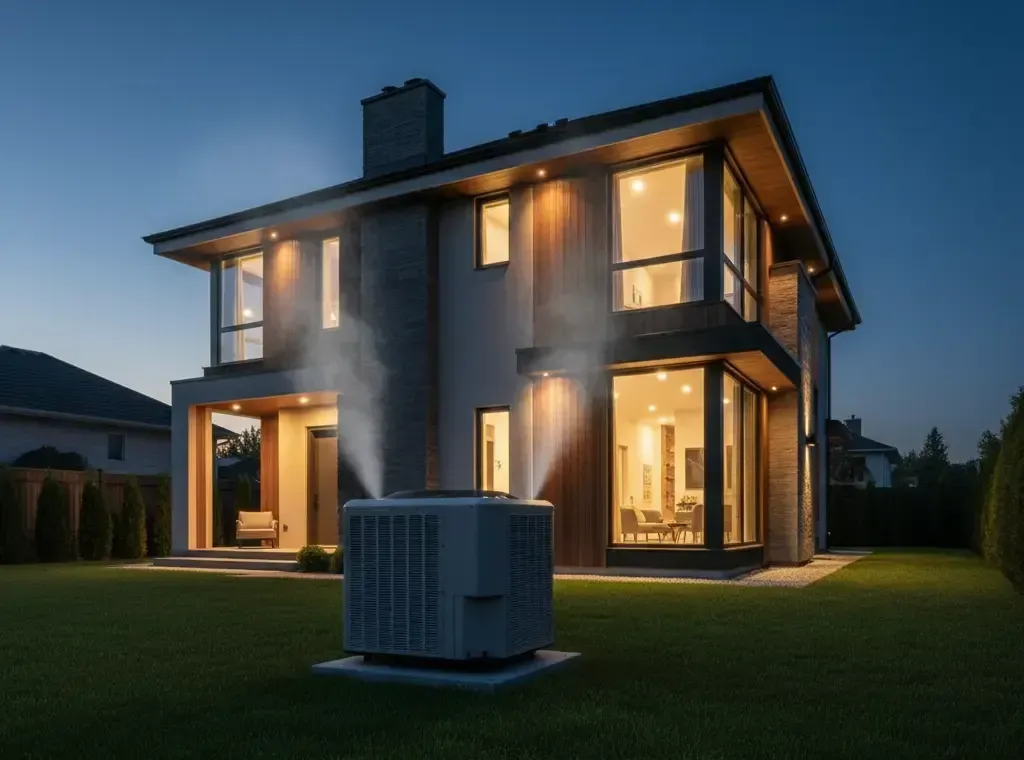
These handle full-house cooling through ducts. Split units have an outdoor compressor and indoor handler. Packaged ones combine everything in one spot, often on roofs.
Ducts must be clean and sealed. Leaky ones waste 20-30% of cooled air. Inspect for mold or damage before install.
Central systems shine in new builds or homes with existing vents. They keep temps even across floors. Noise stays outside, so indoors feels quiet.
No ducts? Mini-splits work great. Each indoor unit cools its room, linked to one outdoor compressor. Ideal for additions or old houses.
Zoning lets you cool just the kitchen during dinner. Save energy by skipping unused spaces. Inverter tech adjusts speed for steady temps, not blasts of cold.
Historic homes often get retrofits with these. One case in a 1920s bungalow cut bills by 40% after adding three heads. No wall tearing needed.
These pull cool from ground loops buried outside. Earth stays at 55°F year-round, so no big energy jumps. They cool in summer and heat in winter.
Upfront costs hit $20,000 to $30,000. But running expenses drop 50-70% versus standard AC. Payback comes in 5-10 years.
Check for tax credits—up to 30% federal through 2032. Local rebates help too. Best for large lots with space to dig.
Central Air Conditioning Systems (Split and Packaged Units)
These handle full-house cooling through ducts. Split units have an outdoor compressor and indoor handler. Packaged ones combine everything in one spot, often on roofs.
Ducts must be clean and sealed. Leaky ones waste 20-30% of cooled air. Inspect for mold or damage before install.
Central systems shine in new builds or homes with existing vents. They keep temps even across floors. Noise stays outside, so indoors feels quiet.
Ductless Mini-Split Systems: Flexibility and Zoning Control
No ducts? Mini-splits work great. Each indoor unit cools its room, linked to one outdoor compressor. Ideal for additions or old houses.
Zoning lets you cool just the kitchen during dinner. Save energy by skipping unused spaces. Inverter tech adjusts speed for steady temps, not blasts of cold.
Historic homes often get retrofits with these. One case in a 1920s bungalow cut bills by 40% after adding three heads. No wall tearing needed.
- Easy install in a day.
- Remote control per zone.
- Fits homes up to 2,000 square feet.
Geothermal Heat Pumps: The High-Efficiency Frontier
These pull cool from ground loops buried outside. Earth stays at 55°F year-round, so no big energy jumps. They cool in summer and heat in winter.
Upfront costs hit $20,000 to $30,000. But running expenses drop 50-70% versus standard AC. Payback comes in 5-10 years.
Check for tax credits—up to 30% federal through 2032. Local rebates help too. Best for large lots with space to dig.
Ready for a Quote?
Our local partners offer free, no-obligation assessments to calculate your exact home needs.
Decoding Efficiency Ratings and Technology Features
Ratings tell how well a system saves power. New rules make them stricter. Tech adds smarts to match your habits.
SEER2 tracks seasonal cooling efficiency—higher means less power use. New 2023 standards bump minimums to 14.3 in the South. EER covers peak hot days.
HSPF rates heating in heat pumps. Aim for 8 or above for balance. In humid zones, SEER2 above 16 fights moisture best.
Good is 14-16 SEER2 for most areas. Better hits 18. Top units reach 25, but check your region's needs. Use Energy Star tools to compare.
Single-stage runs full blast or off. It cycles a lot, spiking humidity. Two-stage offers low and high speeds for steadier work.
Variable-speed adjusts in tiny steps. Like a dimmer switch, it hums along. This cuts noise and boosts dehumidification.
Studies show variable units remove 30% more moisture than single-stage. Indoor air stays dry and fresh. Comfort rises without extra fans.
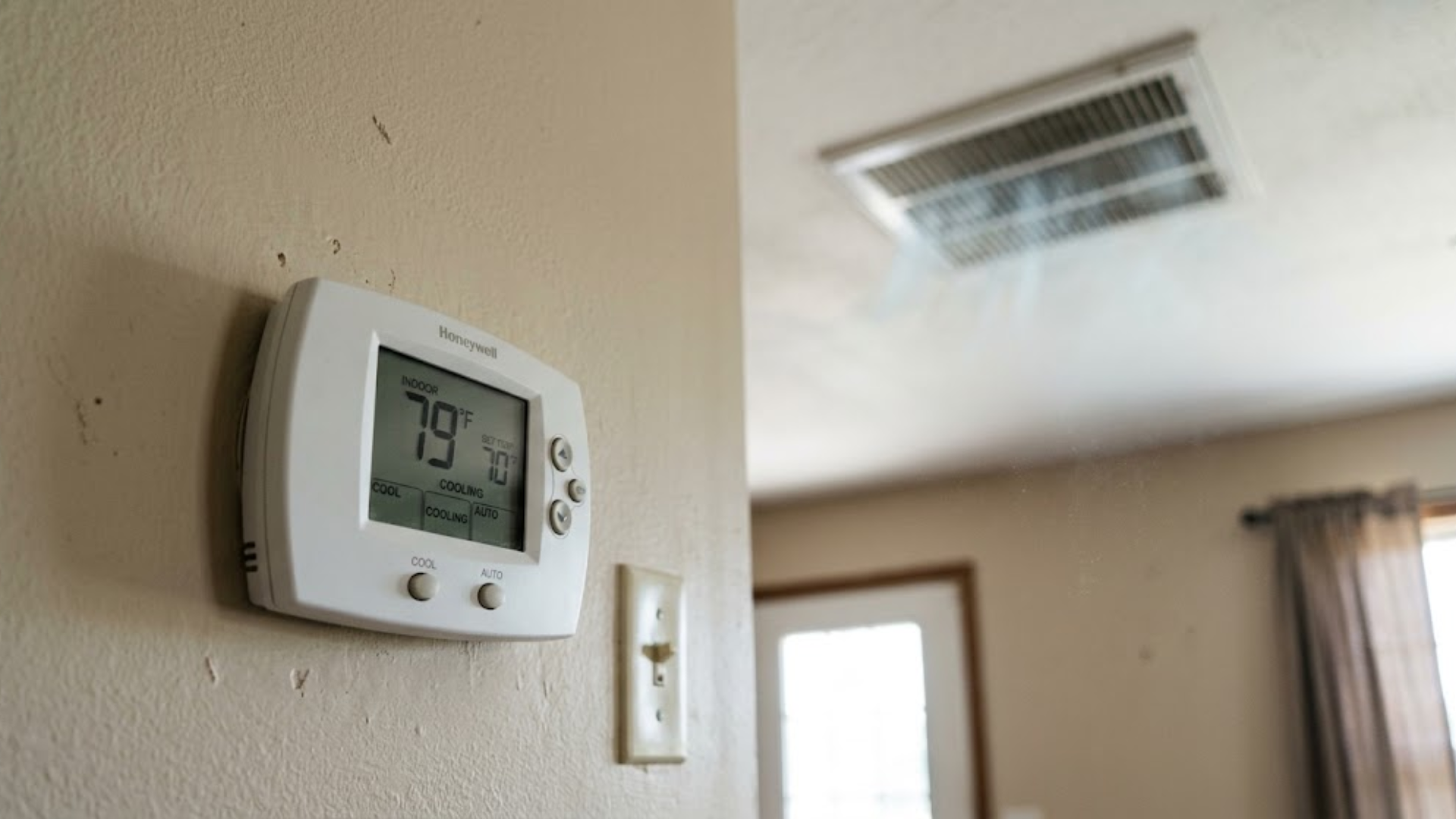
These learn your routine via apps. Wi-Fi links let you tweak from your phone. They predict weather to pre-cool smartly.
Pair with geofencing—system adjusts when you leave work. Save 10-15% on bills. Nest or Ecobee models integrate easy.
Set schedules: cooler at night, warmer when away. Avoid overworking the unit. Updates come over air, keeping tech current.
Understanding SEER2, EER, and HSPF Ratings
SEER2 tracks seasonal cooling efficiency—higher means less power use. New 2023 standards bump minimums to 14.3 in the South. EER covers peak hot days.
HSPF rates heating in heat pumps. Aim for 8 or above for balance. In humid zones, SEER2 above 16 fights moisture best.
Good is 14-16 SEER2 for most areas. Better hits 18. Top units reach 25, but check your region's needs. Use Energy Star tools to compare.
Single-Stage, Two-Stage, and Variable-Speed Compressors
Single-stage runs full blast or off. It cycles a lot, spiking humidity. Two-stage offers low and high speeds for steadier work.
Variable-speed adjusts in tiny steps. Like a dimmer switch, it hums along. This cuts noise and boosts dehumidification.
Studies show variable units remove 30% more moisture than single-stage. Indoor air stays dry and fresh. Comfort rises without extra fans.
Smart Thermostats and Connectivity
These learn your routine via apps. Wi-Fi links let you tweak from your phone. They predict weather to pre-cool smartly.
Pair with geofencing—system adjusts when you leave work. Save 10-15% on bills. Nest or Ecobee models integrate easy.
Set schedules: cooler at night, warmer when away. Avoid overworking the unit. Updates come over air, keeping tech current.
Installation, Maintenance, and Contractor Selection
A top unit flops with bad setup. Pros ensure seals and charges are spot on. Pick wisely for years of trouble-free use.
DIY risks refrigerant leaks or fire hazards. Pros follow codes for safe lines and drains. Wrong charge cuts efficiency by 20%.
Before work, verify contractor licenses and insurance. During, watch for proper vacuum on lines. After, test airflow in every room.
Get three quotes with line items. Compare apples to apples. This weeds out low-ballers who skip steps.
Units come with 5-10 year parts coverage. Labor varies by installer—opt for 1-2 years. Register online right away.
Skip registration, and warranty drops to one year. Service plans cover tune-ups for $150 yearly. They catch issues early.
Read fine print for compressor coverage. Some brands like Trane offer lifetime on parts. Pair with local service for peace.
Change filters monthly to keep air clean. Dirty ones strain the motor. Pros handle coil cleans and belt checks.
Annual tune-ups in spring spot wear. Check freon levels and electrical. This prevents 80% of breakdowns.
Homeowner checklist:
A serviced unit lasts 15-20 years.
The Non-Negotiable Role of Professional Installation
DIY risks refrigerant leaks or fire hazards. Pros follow codes for safe lines and drains. Wrong charge cuts efficiency by 20%.
Before work, verify contractor licenses and insurance. During, watch for proper vacuum on lines. After, test airflow in every room.
Get three quotes with line items. Compare apples to apples. This weeds out low-ballers who skip steps.
Warranties and Service Agreements
Units come with 5-10 year parts coverage. Labor varies by installer—opt for 1-2 years. Register online right away.
Skip registration, and warranty drops to one year. Service plans cover tune-ups for $150 yearly. They catch issues early.
Read fine print for compressor coverage. Some brands like Trane offer lifetime on parts. Pair with local service for peace.
Ongoing Maintenance for Longevity
Change filters monthly to keep air clean. Dirty ones strain the motor. Pros handle coil cleans and belt checks.
Annual tune-ups in spring spot wear. Check freon levels and electrical. This prevents 80% of breakdowns.
Homeowner checklist:
- Clear outdoor coils of debris.
- Run fan-only mode weekly.
- Monitor for odd noises or weak air.
A serviced unit lasts 15-20 years.
Making the Confident Final Decision
Assess your load first with Manual J. Pick a type like central or mini-split that fits your home. Focus on high SEER2 and variable speeds for efficiency. Choose a vetted pro for install and upkeep.
The right air conditioning system shapes your daily comfort and cuts costs. It improves health with better air quality. Don't chase the cheapest price—invest in sizing and expertise.
Beat the Heat with Confidence
Take the next step. Schedule a professional load calculation and installation quote today.
June 29, 2026
Avoid costly AC repair mistakes in Marshfield, MO. Learn what to check, what to skip, and when to call John’s HVAC.
December 28, 2025
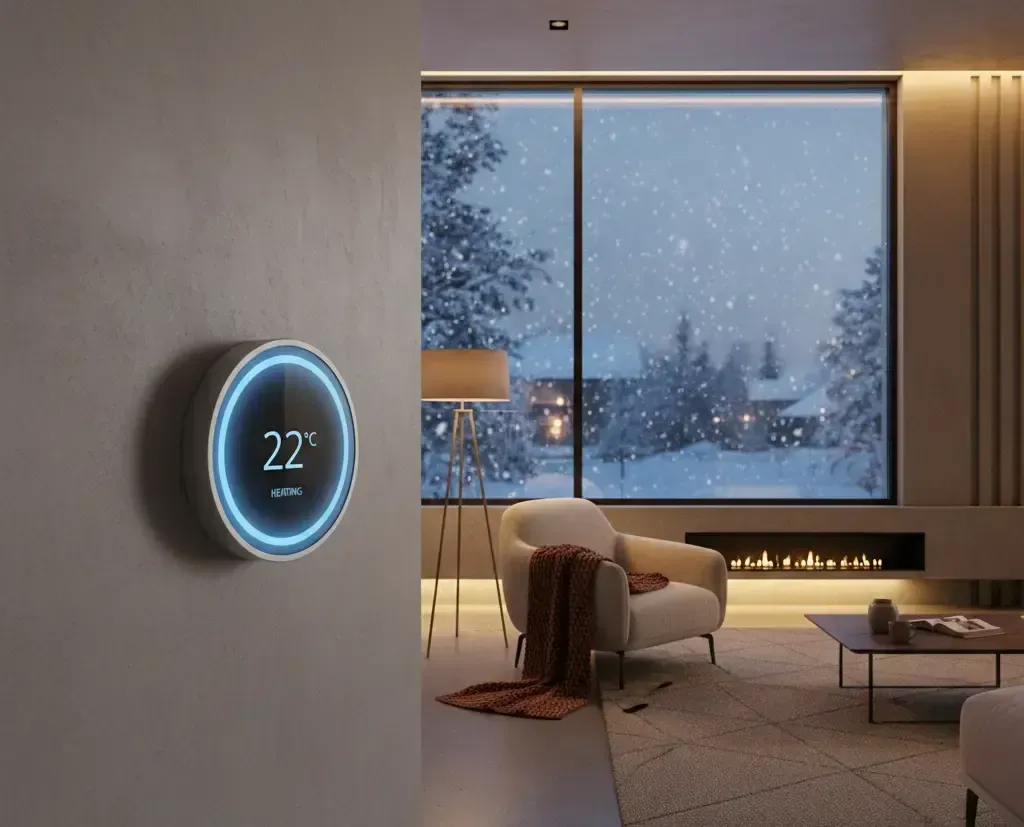
Cut heating and cooling costs by 15% and boost comfort. Learn how smart thermostats use geofencing and scheduling to save you money. Read our guide.
December 28, 2025
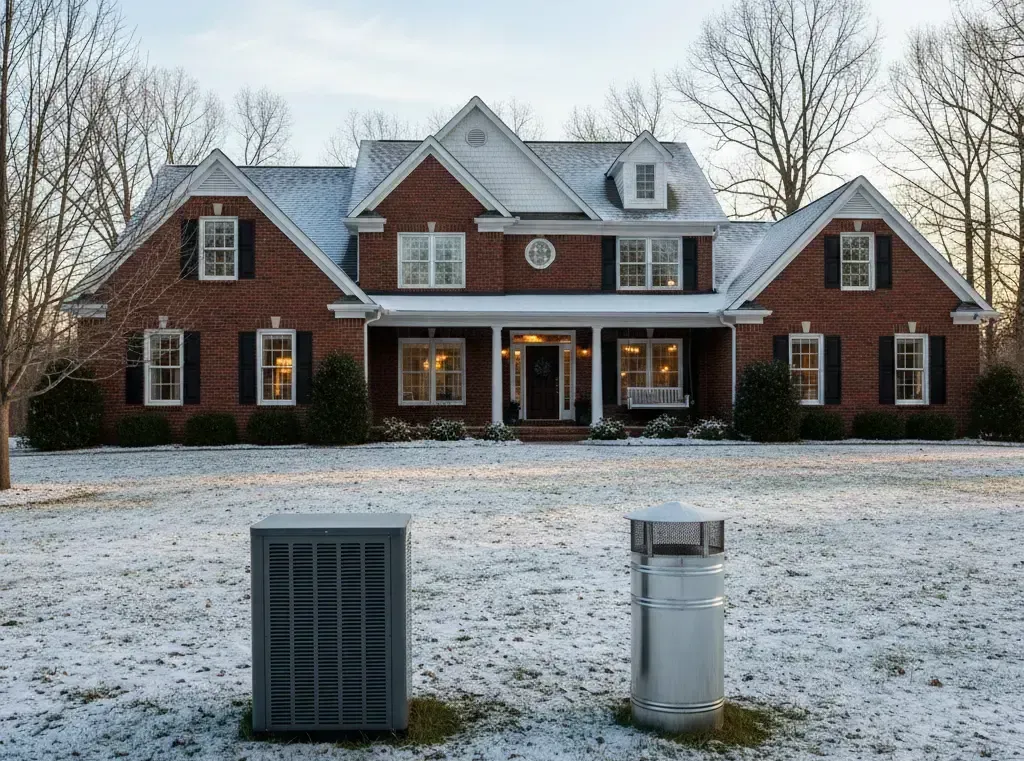
Is a furnace secretly costing you more than a heat pump? Discover the surprising truth about efficiency and your climate. Find your best option.