Heat Pump vs. Furnace: Which Heating System Is Best for Your Home?
December 28, 2025
December 28, 2025
Winter chill hits hard, and you want your home warm without breaking the bank. Choosing between a heat pump and a furnace can feel like picking the right tool for a tough job. Both systems keep you cozy, but they work in different ways and suit various needs.
This guide breaks down heat pump vs. furnace options based on how they run, their costs, and fit for your area. You'll see which might be the best home heating system for you.
This guide breaks down heat pump vs. furnace options based on how they run, their costs, and fit for your area. You'll see which might be the best home heating system for you.
Understanding the Core Technologies: How They Work
Heat pumps and furnaces each handle heat in unique styles. Furnaces burn fuel to make warmth. Heat pumps shift heat from outside to inside your space.
A furnace uses fuel like natural gas, propane, or oil to create heat. It burns the fuel in a chamber. Hot gases then pass over metal coils to warm air. Blowers push this air through ducts to rooms in your house.
Forced air systems spread the heat fast. You feel the warmth quick in cold spots. Most homes with central air use this setup.
Efficiency comes from the AFUE rating. This number shows how much fuel turns into usable heat. Top models hit 95% to 98% AFUE. That means less waste and lower bills over time.
If you search how a gas furnace works , you'll find it relies on a steady fuel supply. No fuel, no heat. But in many places, gas stays cheap.
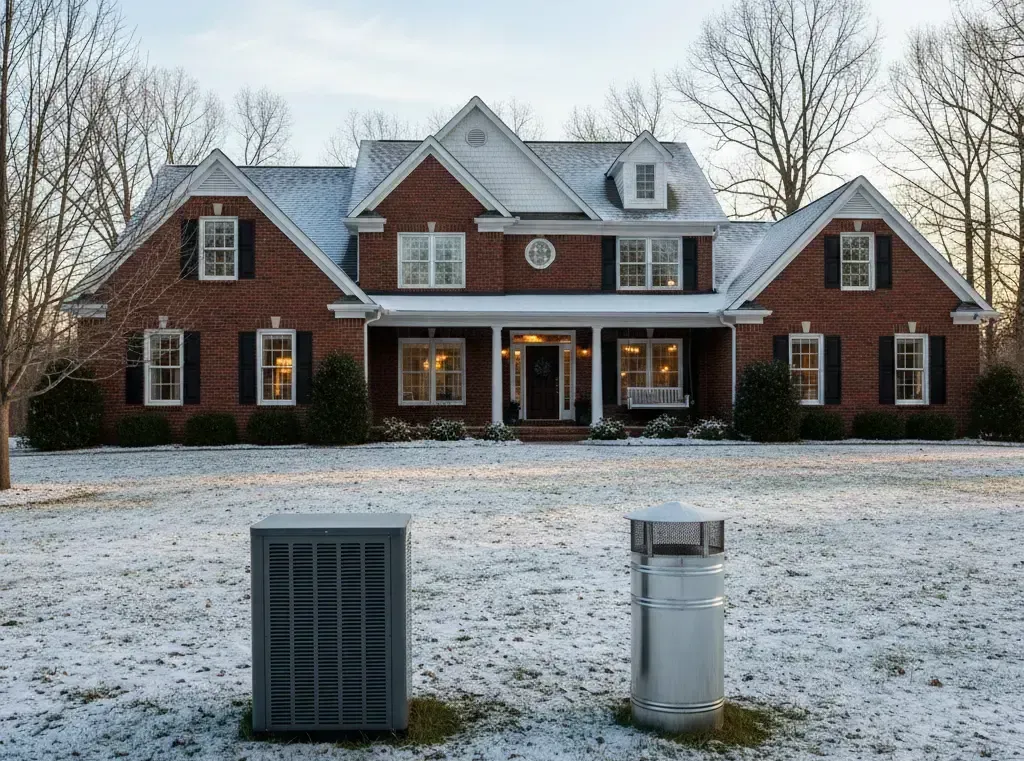
Heat pumps don't burn anything. They pull heat from the air, ground, or water outside. Even in cool weather, outside air holds some warmth. The system moves that heat indoors.
Air-source heat pumps grab heat from outdoor air. They use coils and a compressor to shift it. In summer, they flip the process to cool your home. Geothermal types tap ground heat, which stays steady year-round.
The cycle starts with a refrigerant that absorbs heat outside. It turns to gas, compresses, and releases heat inside. Fans blow air over the hot coil to warm rooms.
Look up how a heat pump works , and you'll note its dual role. One unit heats and cools. That saves space and setup costs.
Furnace Technology Explained
A furnace uses fuel like natural gas, propane, or oil to create heat. It burns the fuel in a chamber. Hot gases then pass over metal coils to warm air. Blowers push this air through ducts to rooms in your house.
Forced air systems spread the heat fast. You feel the warmth quick in cold spots. Most homes with central air use this setup.
Efficiency comes from the AFUE rating. This number shows how much fuel turns into usable heat. Top models hit 95% to 98% AFUE. That means less waste and lower bills over time.
- Gas furnaces run on natural gas lines.
- Propane units suit rural spots without gas pipes.
- Oil furnaces work well where oil delivery is easy.
If you search how a gas furnace works , you'll find it relies on a steady fuel supply. No fuel, no heat. But in many places, gas stays cheap.
Heat Pump Technology Explained
Heat pumps don't burn anything. They pull heat from the air, ground, or water outside. Even in cool weather, outside air holds some warmth. The system moves that heat indoors.
Air-source heat pumps grab heat from outdoor air. They use coils and a compressor to shift it. In summer, they flip the process to cool your home. Geothermal types tap ground heat, which stays steady year-round.
The cycle starts with a refrigerant that absorbs heat outside. It turns to gas, compresses, and releases heat inside. Fans blow air over the hot coil to warm rooms.
Look up how a heat pump works , and you'll note its dual role. One unit heats and cools. That saves space and setup costs.
Operational Efficiency and Environmental Impact
Efficiency matters when you pay monthly bills. Heat pumps often use less energy than furnaces. But it depends on your local rates for power and fuel.
Heat pumps shine in mild weather. Their HSPF rating measures heat output per energy input. Good units score 8 to 10 HSPF. That beats many furnaces in electricity-based costs.
Furnaces excel where gas is cheap. A 95% AFUE model uses fuel well, but electricity for blowers adds up. In the U.S., average heating costs hit $1,200 yearly. Heat pumps cut that by 30% in right spots, per Energy Department stats.
Operating costs vary by region. In the Northeast, gas furnaces might cost $800 a season. Heat pumps there could run $1,000 due to cold snaps. Southwest homes see heat pumps at $400, furnaces higher at $600. To cut heating bills, try these tips:
Heat pump operating cost vs. furnace flips with utility prices. Check your local rates first.
Green choices grow in appeal as climate worries rise. Heat pumps use electricity, which can come from renewables like solar or wind. That makes their carbon output low—often half of gas furnaces.
Furnaces burn fossil fuels, releasing CO2 directly. A typical gas unit emits 10 tons of CO2 yearly. Heat pumps, on clean grids, drop to 4 tons or less.
Refrigerants in heat pumps hold global warming potential. Newer ones, like R-32, cut that risk. Pair a heat pump with solar panels for near-zero emissions. The most energy-efficient heating system? Heat pumps win for green homes. They fit sustainability goals without big changes.
Comparing Energy Consumption and Operating Costs
Heat pumps shine in mild weather. Their HSPF rating measures heat output per energy input. Good units score 8 to 10 HSPF. That beats many furnaces in electricity-based costs.
Furnaces excel where gas is cheap. A 95% AFUE model uses fuel well, but electricity for blowers adds up. In the U.S., average heating costs hit $1,200 yearly. Heat pumps cut that by 30% in right spots, per Energy Department stats.
Operating costs vary by region. In the Northeast, gas furnaces might cost $800 a season. Heat pumps there could run $1,000 due to cold snaps. Southwest homes see heat pumps at $400, furnaces higher at $600. To cut heating bills, try these tips:
- Seal drafts around windows and doors.
- Set thermostats to 68°F when home.
- Use programmable models to lower temps at night.
- Clean or replace filters monthly for both systems.
Heat pump operating cost vs. furnace flips with utility prices. Check your local rates first.
Carbon Footprint and Sustainability Considerations
Green choices grow in appeal as climate worries rise. Heat pumps use electricity, which can come from renewables like solar or wind. That makes their carbon output low—often half of gas furnaces.
Furnaces burn fossil fuels, releasing CO2 directly. A typical gas unit emits 10 tons of CO2 yearly. Heat pumps, on clean grids, drop to 4 tons or less.
Refrigerants in heat pumps hold global warming potential. Newer ones, like R-32, cut that risk. Pair a heat pump with solar panels for near-zero emissions. The most energy-efficient heating system? Heat pumps win for green homes. They fit sustainability goals without big changes.
Still Weighing Your Options?
Get a personalized estimate in minutes to see which system fits your home and budget.
Installation, Longevity, and Initial Investment
Upfront costs shape your pick. Furnaces start lower but might need extra cooling. Heat pumps cost more at first yet cover both jobs.
A basic gas furnace runs $3,000 to $6,000 installed. Add $2,000 for a separate AC unit. Heat pumps range $4,000 to $8,000, including setup for heat and cool.
Installation needs ducts in most cases. Without them, mini-split heat pumps skip ducts but cost extra. Electrical upgrades for heat pumps add $500 to $2,000 if your panel is old.
Furnaces tie into gas lines, which pros handle quick. Heat pumps need space outside and strong wiring. Cost to install heat pump varies by home size—bigger spaces push prices up.
Furnace installation price stays steady in gas-rich areas. Factor in rebates; federal tax credits cut heat pump costs by 30% through 2032.
Modern furnaces last 15 to 20 years with care. Heat pumps hold 10 to 15 years, as outdoor units face weather wear.
Maintenance keeps them running smooth. For furnaces, change filters every 1-3 months. Annual checks clean burners and vents to avoid hazards.
Heat pumps need coil cleaning and refrigerant checks yearly. Filters swap like furnaces. Skip tune-ups, and efficiency drops 10-15%.
Furnace lifespan vs. heat pump lifespan shows furnaces edge out. But heat pumps' dual use often pays back sooner.
HVAC maintenance schedule saves money long-term.
Initial Purchase Price and Installation Complexity
A basic gas furnace runs $3,000 to $6,000 installed. Add $2,000 for a separate AC unit. Heat pumps range $4,000 to $8,000, including setup for heat and cool.
Installation needs ducts in most cases. Without them, mini-split heat pumps skip ducts but cost extra. Electrical upgrades for heat pumps add $500 to $2,000 if your panel is old.
Furnaces tie into gas lines, which pros handle quick. Heat pumps need space outside and strong wiring. Cost to install heat pump varies by home size—bigger spaces push prices up.
Furnace installation price stays steady in gas-rich areas. Factor in rebates; federal tax credits cut heat pump costs by 30% through 2032.
Lifespan and Maintenance Requirements
Modern furnaces last 15 to 20 years with care. Heat pumps hold 10 to 15 years, as outdoor units face weather wear.
Maintenance keeps them running smooth. For furnaces, change filters every 1-3 months. Annual checks clean burners and vents to avoid hazards.
Heat pumps need coil cleaning and refrigerant checks yearly. Filters swap like furnaces. Skip tune-ups, and efficiency drops 10-15%.
Furnace lifespan vs. heat pump lifespan shows furnaces edge out. But heat pumps' dual use often pays back sooner.
- Schedule pro inspections each fall.
- Watch for odd noises or weak airflow.
- Budget $100-200 yearly for upkeep.
HVAC maintenance schedule saves money long-term.
Climate Suitability: Where Each System Shines
Your weather dictates the winner. Cold snaps test limits. Mild areas favor versatile picks.
Below 20°F, furnaces deliver steady heat. They burn fuel without fail, even at -10°F. Heat pumps lose punch as outside air chills; efficiency halves under freezing.
In Minnesota winters, furnaces keep homes at 70°F easy. Folks add dual-fuel setups—heat pump for mild days, furnace for deep cold. That blends best of both.
Best furnace for cold weather ? High-efficiency gas models with variable speeds. They adjust output to match needs, cutting fuel use.
Heat pump limitations in winter include defrost cycles. Ice builds on coils, so the system pauses to melt it. That spikes energy draw short-term.
In places like California or Texas, temps rarely dip low. Heat pumps run at peak, using 50% less energy than furnaces. They cool in summer heat waves too.
One unit for all seasons simplifies life. Modern cold-climate heat pumps work down to -15°F with 100% capacity. Tech like variable compressors boosts that.
Heat pump efficiency in mild climates tops charts. Annual savings hit $300 over furnaces. Dual-use HVAC system means no extra gear.
For variable weather, heat pumps adapt. They extract heat from 40°F air just fine.
Weigh your budget, weather, and setup. Furnaces suit cold, gas-cheap zones. Heat pumps fit mild spots with high electric rates from green sources.
Use this checklist to choose:
Which heating system should I choose? Match it to your life. HVAC buying guide tip: Energy audits reveal your home's needs.
The Furnace Advantage in Extreme Cold Climates
Below 20°F, furnaces deliver steady heat. They burn fuel without fail, even at -10°F. Heat pumps lose punch as outside air chills; efficiency halves under freezing.
In Minnesota winters, furnaces keep homes at 70°F easy. Folks add dual-fuel setups—heat pump for mild days, furnace for deep cold. That blends best of both.
Best furnace for cold weather ? High-efficiency gas models with variable speeds. They adjust output to match needs, cutting fuel use.
Heat pump limitations in winter include defrost cycles. Ice builds on coils, so the system pauses to melt it. That spikes energy draw short-term.
The Heat Pump Versatility in Moderate Climates
In places like California or Texas, temps rarely dip low. Heat pumps run at peak, using 50% less energy than furnaces. They cool in summer heat waves too.
One unit for all seasons simplifies life. Modern cold-climate heat pumps work down to -15°F with 100% capacity. Tech like variable compressors boosts that.
Heat pump efficiency in mild climates tops charts. Annual savings hit $300 over furnaces. Dual-use HVAC system means no extra gear.
For variable weather, heat pumps adapt. They extract heat from 40°F air just fine.
Making the Final Decision: Key Takeaways and Next Steps
Weigh your budget, weather, and setup. Furnaces suit cold, gas-cheap zones. Heat pumps fit mild spots with high electric rates from green sources.
Use this checklist to choose:
- Check local climate: Freezing often? Go furnace.
- Review utility costs: Cheap gas favors furnaces; renewables boost heat pumps.
- Assess home: Ducts ready? Budget for install?
- Think long-term: Want cooling too? Pick heat pump.
- Get quotes: Compare three pros for fair prices.
Which heating system should I choose? Match it to your life. HVAC buying guide tip: Energy audits reveal your home's needs.
Optimizing Your Home Comfort Strategy
The best system depends on your spot, cash, and green aims. Heat pumps offer efficiency and dual duty for many. Furnaces provide reliable punch in harsh cold. Both beat old setups in savings and comfort.
Pick wrong, and bills climb or comfort fades. Right choice warms your home smart. Talk to a local HVAC pro today. Get a free quote to start your upgrade. Your cozy winter waits.
Ready for a Warmer, Smarter Home?
Take the next step with a free, no-obligation quote from a certified local HVAC expert.
June 29, 2026
Avoid costly AC repair mistakes in Marshfield, MO. Learn what to check, what to skip, and when to call John’s HVAC.

December 28, 2025
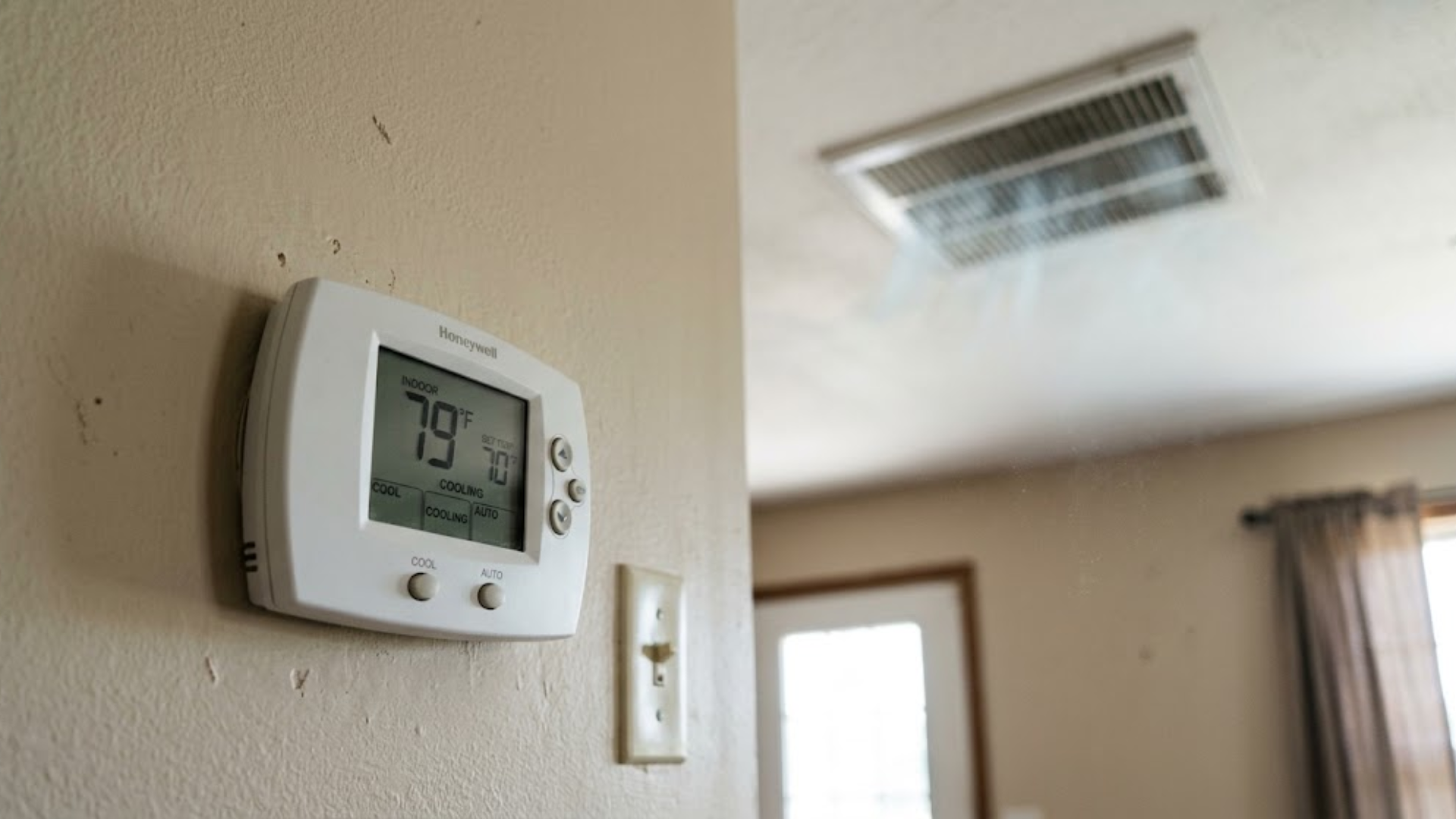
Cut heating and cooling costs by 15% and boost comfort. Learn how smart thermostats use geofencing and scheduling to save you money. Read our guide.

December 28, 2025
Your HVAC system could be your best defense against indoor air pollutants, or it could be making things worse. Discover how to use it for cleaner air.