The Ultimate Seasonal HVAC Maintenance Checklist for Homeowners
December 18, 2025
December 18, 2025
Neglecting your HVAC system can lead to big problems. Sudden breakdowns cost hundreds in
repairs
. Energy bills spike when filters clog up. Indoor air turns stale and unhealthy.
Think of seasonal maintenance as smart insurance. It keeps your home comfortable year-round. HVAC units handle heating in winter and cooling in summer. They need different care each season. Regular checks ensure top performance. They help meet warranty rules too.
Follow this checklist to save money and stay cozy
Think of seasonal maintenance as smart insurance. It keeps your home comfortable year-round. HVAC units handle heating in winter and cooling in summer. They need different care each season. Regular checks ensure top performance. They help meet warranty rules too.
Follow this checklist to save money and stay cozy
The Ultimate Seasonal HVAC Maintenance Checklist for Homeowners
Neglecting your HVAC system can lead to big problems. Sudden breakdowns cost hundreds in repairs. Energy bills spike when filters clog up. Indoor air turns stale and unhealthy. Think of seasonal maintenance as smart insurance. It keeps your home comfortable year-round. HVAC units handle heating in winter and cooling in summer. They need different care each season. Regular checks ensure top performance. They help meet warranty rules too. Follow this checklist to save money and stay cozy.
Spring brings warmer days. Your AC unit wakes from winter sleep. Focus on these steps before heat hits. They prevent breakdowns during peak use.
Dirty filters strain your AC. They block airflow and raise energy use by up to 15%. Replace them now. Choose filters with a MERV rating of 8 to 13 for homes. This catches dust without restricting air. Check monthly if you have pets or allergies. Quarterly works for most. A clean filter lets your system run smooth. It cuts wear on the blower and coils.
The outdoor unit gathers leaves and dirt over winter. Clear them away to help heat escape fast. Turn off power first. Use a hose to rinse fins gently. Avoid bending them. Clean coils boost efficiency by 20% or more. Inspect for damage like bent fins. Straighten with a fin comb if needed. This simple task keeps cooling costs down.
Low refrigerant makes your AC work harder. It can freeze coils and cut cooling power. Call a pro to check levels. They use gauges for accuracy. Homeowners can clear the condensate drain. Pour a mix of vinegar and water down the line. This stops clogs from algae. Blocked drains cause water leaks and mold. Clear it monthly in humid areas. Proper checks prevent big issues.
Spring Tune-Up Essentials – Preparing for Cooling Season
Spring brings warmer days. Your AC unit wakes from winter sleep. Focus on these steps before heat hits. They prevent breakdowns during peak use.
Air Filter Replacement and Optimization
Dirty filters strain your AC. They block airflow and raise energy use by up to 15%. Replace them now. Choose filters with a MERV rating of 8 to 13 for homes. This catches dust without restricting air. Check monthly if you have pets or allergies. Quarterly works for most. A clean filter lets your system run smooth. It cuts wear on the blower and coils.
Condenser Coil Cleaning and Inspection
The outdoor unit gathers leaves and dirt over winter. Clear them away to help heat escape fast. Turn off power first. Use a hose to rinse fins gently. Avoid bending them. Clean coils boost efficiency by 20% or more. Inspect for damage like bent fins. Straighten with a fin comb if needed. This simple task keeps cooling costs down.
Checking Refrigerant Levels and Drains
Low refrigerant makes your AC work harder. It can freeze coils and cut cooling power. Call a pro to check levels. They use gauges for accuracy. Homeowners can clear the condensate drain. Pour a mix of vinegar and water down the line. This stops clogs from algae. Blocked drains cause water leaks and mold. Clear it monthly in humid areas. Proper checks prevent big issues.
Summer System Check – Sustaining Peak Cooling Performance
Summer heat tests your AC hard. Mid-season checks keep it running strong. Watch for signs of trouble early. This avoids hot days without cool air.
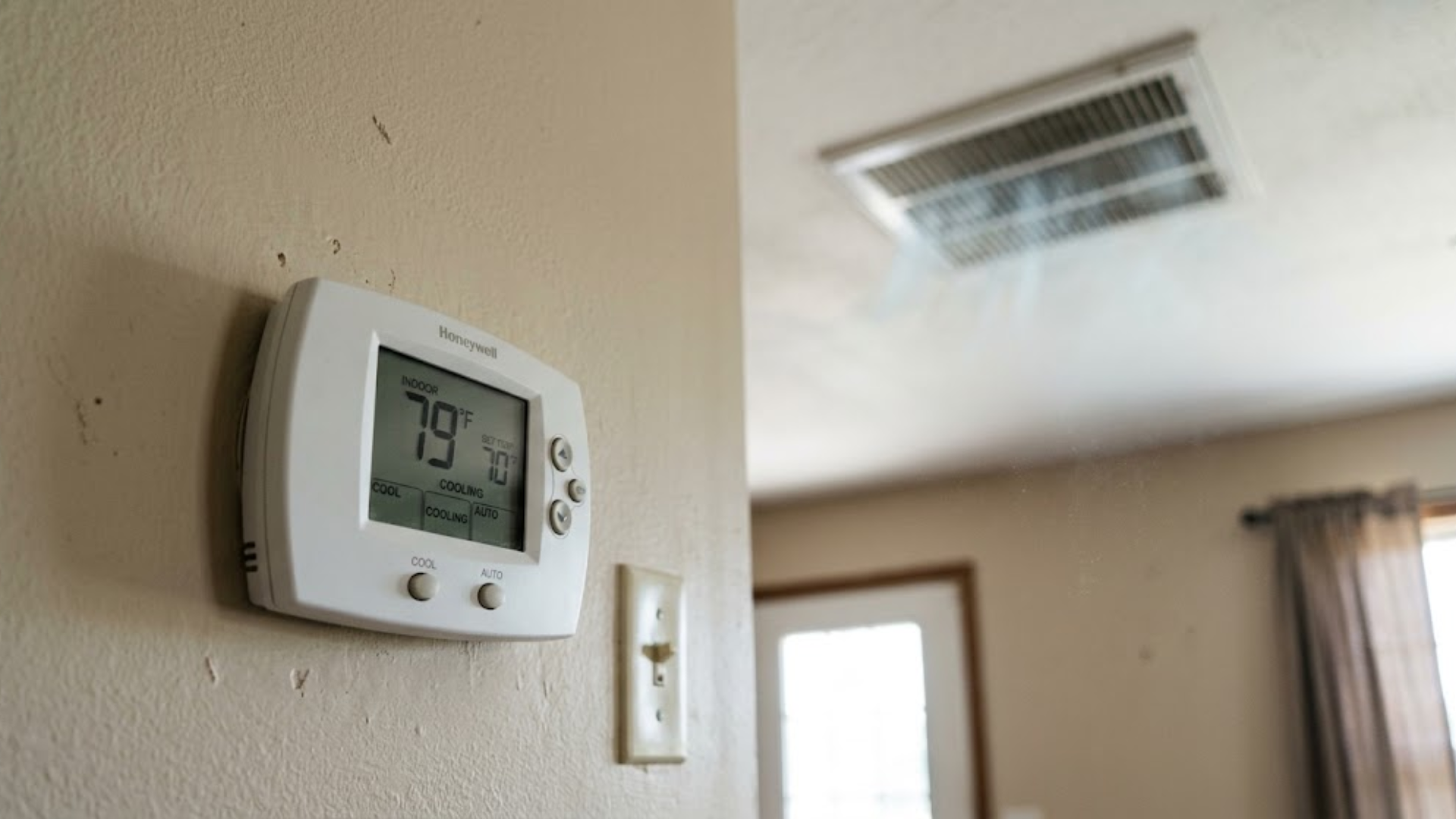
A wrong thermostat reading wastes energy. Compare it to a separate thermometer. Adjust if off by more than two degrees. Place it away from windows or vents. Sunlight or drafts skew readings. Right placement saves 10% on bills. Test settings for auto fan mode too. It runs longer for better air mix.
Leaky ducts lose 20 to 30% of cooled air. Heat sneaks in through gaps. Feel for air escaping at joints. Seal with foil tape or mastic. Avoid cloth tape; it fails fast. Check accessible areas in attic or basement. Tight ducts mean even cooling. They lower your energy load.
Closed vents seem smart for savings. They raise pressure and harm the motor. Keep most open for balance. Clean dust from registers with a vacuum. Block only one or two in unused rooms. Good airflow spreads cool air well. It prevents hot spots in your home.
Thermostat Calibration and Placement Check
A wrong thermostat reading wastes energy. Compare it to a separate thermometer. Adjust if off by more than two degrees. Place it away from windows or vents. Sunlight or drafts skew readings. Right placement saves 10% on bills. Test settings for auto fan mode too. It runs longer for better air mix.
Inspecting Ductwork for Leaks
Leaky ducts lose 20 to 30% of cooled air. Heat sneaks in through gaps. Feel for air escaping at joints. Seal with foil tape or mastic. Avoid cloth tape; it fails fast. Check accessible areas in attic or basement. Tight ducts mean even cooling. They lower your energy load.
- Turn off the system.
- Look for gaps in seams.
- Apply sealant evenly.
- Run the AC and test for drafts.
Ensuring Proper Airflow and Vents
Closed vents seem smart for savings. They raise pressure and harm the motor. Keep most open for balance. Clean dust from registers with a vacuum. Block only one or two in unused rooms. Good airflow spreads cool air well. It prevents hot spots in your home.
Need Expert Help Right Now?
Our local HVAC technicians are ready to answer your maintenance questions today.
Fall Preparation – Readying the Furnace for Winter Demands
Fall cools the air fast. Switch to heating mode now. Gas furnaces need safety checks. Carbon monoxide risks rise without care.
Cracked heat exchangers leak deadly gas. Pros spot this with cameras. Schedule an inspection before cold snaps. Test CO and smoke alarms monthly. Replace batteries now. Clean around the unit to avoid fire hazards. Safe furnaces heat without worry. They last longer with routine looks.
A pro visit costs less than emergency fixes. It finds issues like loose wires early.
Standing pilots need clean sensors. Dust blocks flame detection. Wipe the thermocouple gently. For electronic igniters, watch startup. It should light quick each time. No sooting or flickering. Faulty parts cause uneven heat. Fix them to avoid cold mornings. Test the full cycle a few times.
Dust builds in the blower over summer. Vacuum the compartment. Check belts for cracks or slack. Tighten or replace if loose. Worn belts slip and overheat the motor. This cuts heating power. Smooth blowers push warm air fast. They keep noise low too.
Furnace Inspection and Safety Checks
Cracked heat exchangers leak deadly gas. Pros spot this with cameras. Schedule an inspection before cold snaps. Test CO and smoke alarms monthly. Replace batteries now. Clean around the unit to avoid fire hazards. Safe furnaces heat without worry. They last longer with routine looks.
A pro visit costs less than emergency fixes. It finds issues like loose wires early.
Pilot Light and Ignition System Verification
Standing pilots need clean sensors. Dust blocks flame detection. Wipe the thermocouple gently. For electronic igniters, watch startup. It should light quick each time. No sooting or flickering. Faulty parts cause uneven heat. Fix them to avoid cold mornings. Test the full cycle a few times.
Blower Motor and Belt Inspection
Dust builds in the blower over summer. Vacuum the compartment. Check belts for cracks or slack. Tighten or replace if loose. Worn belts slip and overheat the motor. This cuts heating power. Smooth blowers push warm air fast. They keep noise low too.
Winter System Care – Maintaining Heat and Insulation
Winter demands steady heat. Cold snaps strain furnaces or heat pumps. Protect outdoor parts from ice. Keep indoor air moving well.
Heat pumps pull heat from cold air. Defrost cycles melt ice on coils. Listen for the whoosh of fans reversing. Ice buildup means trouble. Clear snow from the unit base. Don't use hot water; it shocks parts. Working cycles keep efficiency high. They avoid full system freeze.
Watch for longer cycles. Call a tech if frost lingers.
Dust clogs vents in dry winter air. Vacuum all supply and return spots. Use a brush attachment for grilles. Lint from fabrics adds up fast. Clean ones distribute heat even. They reduce allergy triggers too. Do this every two months during use.
Heating pulls more dust through filters. Change them every 30 to 60 days. Dirty ones block warm air flow. This makes rooms chilly. Pick pleated filters for better catch. Track changes on a calendar. Fresh filters ease the system's work.
Heat Pump Defrost Cycle Monitoring (For Heat Pump Owners)
Heat pumps pull heat from cold air. Defrost cycles melt ice on coils. Listen for the whoosh of fans reversing. Ice buildup means trouble. Clear snow from the unit base. Don't use hot water; it shocks parts. Working cycles keep efficiency high. They avoid full system freeze.
Watch for longer cycles. Call a tech if frost lingers.
Cleaning Vents and Registers
Dust clogs vents in dry winter air. Vacuum all supply and return spots. Use a brush attachment for grilles. Lint from fabrics adds up fast. Clean ones distribute heat even. They reduce allergy triggers too. Do this every two months during use.
Changing Filters During High-Use Periods
Heating pulls more dust through filters. Change them every 30 to 60 days. Dirty ones block warm air flow. This makes rooms chilly. Pick pleated filters for better catch. Track changes on a calendar. Fresh filters ease the system's work.
Year-Round System Health and Documentation
Some tasks fit every season. They build long-term reliability. Track everything for proof.
Book a full tune-up once a year. Early spring or late fall avoids busy times. Techs clean deep and test parts. This follows ASHRAE standards for HVAC care. Pros catch hidden wear. It extends life by years.
Note dates, tasks, and notes in a notebook or app. Include filter brands and pro visits. Logs speed warranty claims. They show patterns in issues. Simple records save hassle later.
Poor seals make HVAC overwork. Check attic insulation depth. Add if below R-30 in cold areas. Inspect doors and windows for gaps. Apply new strips if cracked. Good barriers cut heat loss by 15%. They ease your system's job.
Annual Professional Servicing Appointment
Book a full tune-up once a year. Early spring or late fall avoids busy times. Techs clean deep and test parts. This follows ASHRAE standards for HVAC care. Pros catch hidden wear. It extends life by years.
Maintaining a Detailed Maintenance Log
Note dates, tasks, and notes in a notebook or app. Include filter brands and pro visits. Logs speed warranty claims. They show patterns in issues. Simple records save hassle later.
Insulation and Weatherstripping Review
Poor seals make HVAC overwork. Check attic insulation depth. Add if below R-30 in cold areas. Inspect doors and windows for gaps. Apply new strips if cracked. Good barriers cut heat loss by 15%. They ease your system's job.
Investing in Comfort, Efficiency, and Longevity
This checklist covers key steps for each season. Spring preps cooling. Summer sustains it. Fall readies heat. Winter maintains flow. Year-round habits add protection. Benefits include lower bills, cleaner air, and longer unit life. Start with your filters today. Book that pro service soon. Routine care pays off in a comfortable home.
Secure Your Home's Comfort
Don't wait for a breakdown. Book your professional seasonal HVAC tune-up now.

June 29, 2026
Avoid costly AC repair mistakes in Marshfield, MO. Learn what to check, what to skip, and when to call John’s HVAC.

December 28, 2025
Cut heating and cooling costs by 15% and boost comfort. Learn how smart thermostats use geofencing and scheduling to save you money. Read our guide.

December 28, 2025
Is a furnace secretly costing you more than a heat pump? Discover the surprising truth about efficiency and your climate. Find your best option.